Case study
Building LightEd's fundraising engine
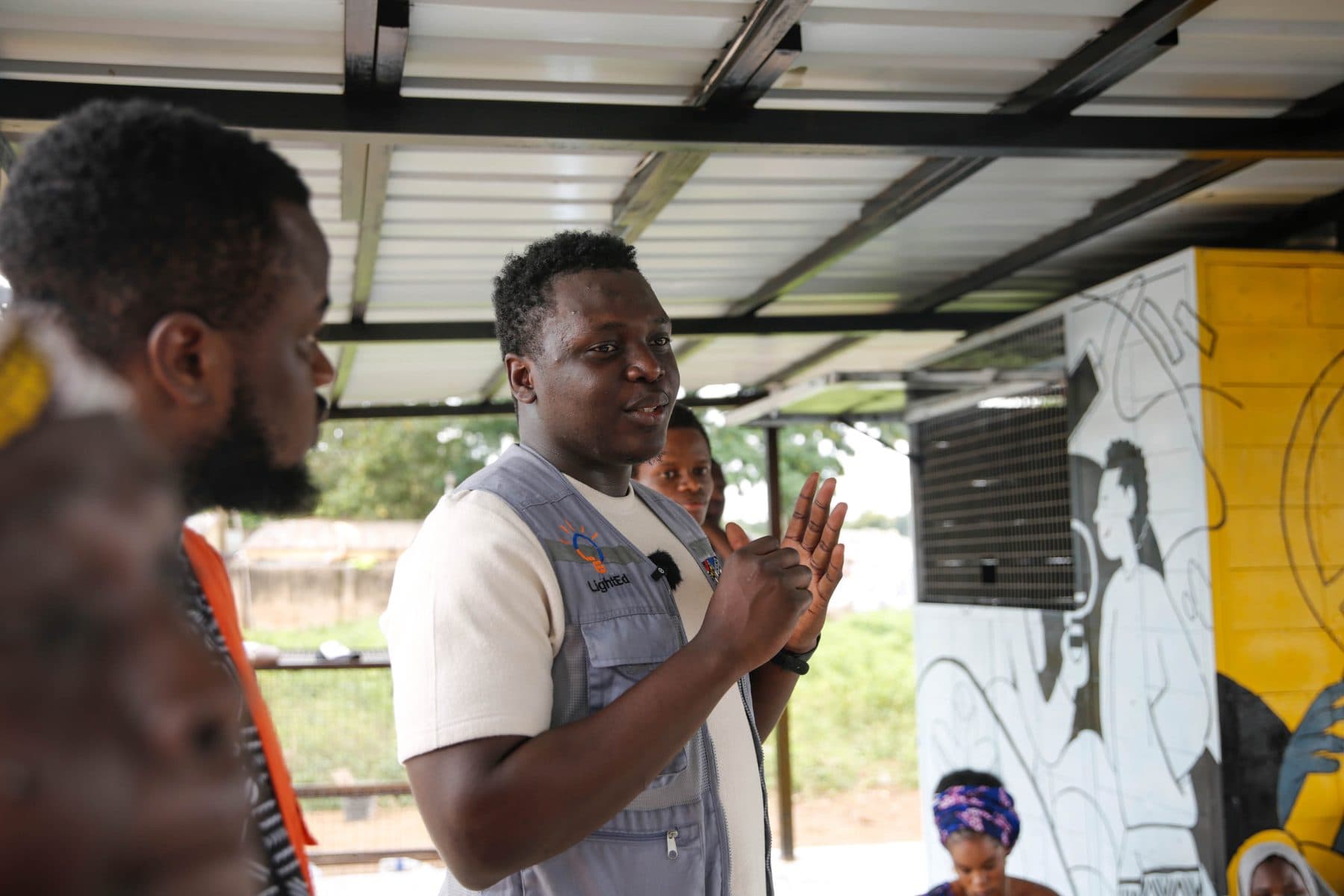
LightEd Impact turns electronic and plastic waste into solar energy for communities living with energy poverty, from refugee settlements to rural schools. When I joined, it had strong field work and no system for turning that work into funding.
The challenge
An early-stage nonprofit competing for global climate money against organizations with full development teams. No proposal calendar, no shared materials, and every application written from a blank page.
What changed
- Built the proposal calendar and submissions pipeline: deadlines tracked, owners assigned, inputs collected from program and finance leads on time.
- Created a living library of core materials, so each new application reused tested language instead of starting over.
- Ran clean energy policy and funding landscape research to find funders whose priorities matched LightEd's work.
- Wrote 70+ applications across grants, prizes, fellowships, accelerators and event selections.
Results
$250,000
Morgan Stanley Inclusive & Sustainable Ventures Accelerator, 2025
$200K / yr
Emerging Climate Champions Award, five-year award from 2026
Selected
Rockefeller Big Bets Fellowship 2026, for LightEd's founder
Together, over $500,000 secured for programs that have reached more than 32,000 people, including Light House Station, a solar-powered community hub built from recycled plastic serving 3,000+ people, and Light For Peace, which has brought clean energy to over 10,000 refugees.
What carries over
A small team does not need more applications. It needs a system that makes each one faster and better than the last.
The same setup (calendar, pipeline, materials library, funder research) is what I now build for clients, alongside the writing itself.
Next
Morgan Stanley Inclusive & Sustainable VenturesNeed something like this? peterphilipjohnson@gmail.com